



Person centred care
Dementia Care
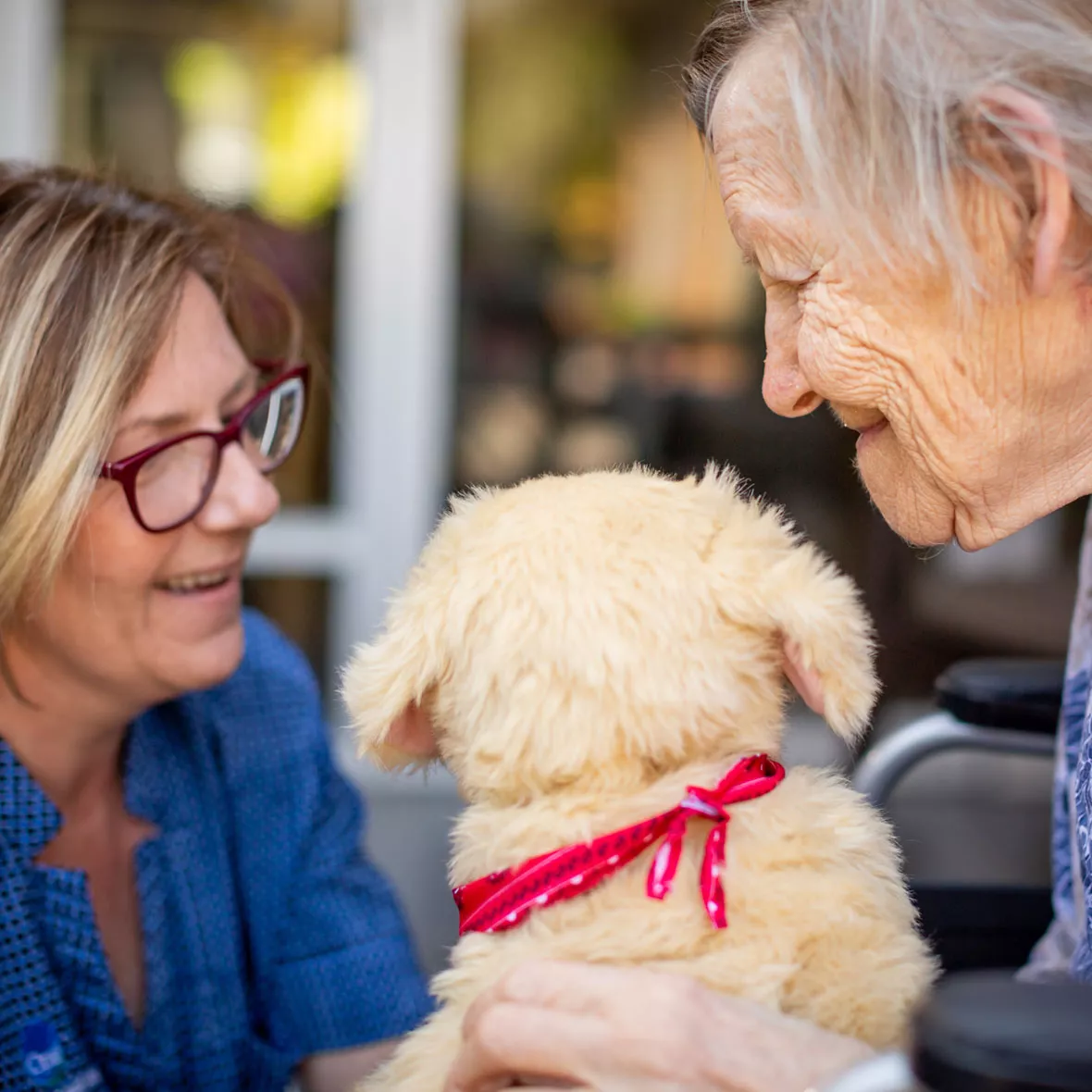
Every individual living with dementia will have different needs and preferences. Our carers endeavour to build connected relationships with each resident so that we can deliver the right care for your clinical, social and spiritual needs.
Return to Dementia Care
What is dementia?
Dementia describes a collection of symptoms that are caused by disorders affecting the brain. In other words, dementia isn't one specific disease.
Learn more about dementia
Types of dementia
There are many types of dementia but the most common causes include Alzheimer’s disease, vascular dementia, frontotemporal dementia and dementia with Lewy bodies.
Learn more
Planning ahead for a new home
Planning ahead helps with your loved ones future, and putting things in place to make them feel comfortable. This includes establishing a new home.
Learn more
Memory care neighbourhoods
In some of our Care Communities we have areas known as Memory care neighbourhoods (MCN). They are a safe designated area or cluster of rooms where residents living with dementia reside.
Learn more5 Steps into Residential Aged Care

Assess
Make sure the person requiring care has had an ACAT assessment.

Find
Search for a residential aged care home suitability located.

Costs
Understand the costs associated with aged care.
Apply
Ensure you have all the relevant paperwork.
Move
Check out our moving checklist to ensure the smoothest move possible.


Start exploring our Care Communities today
Search

Commonly asked questions about person centred care
-
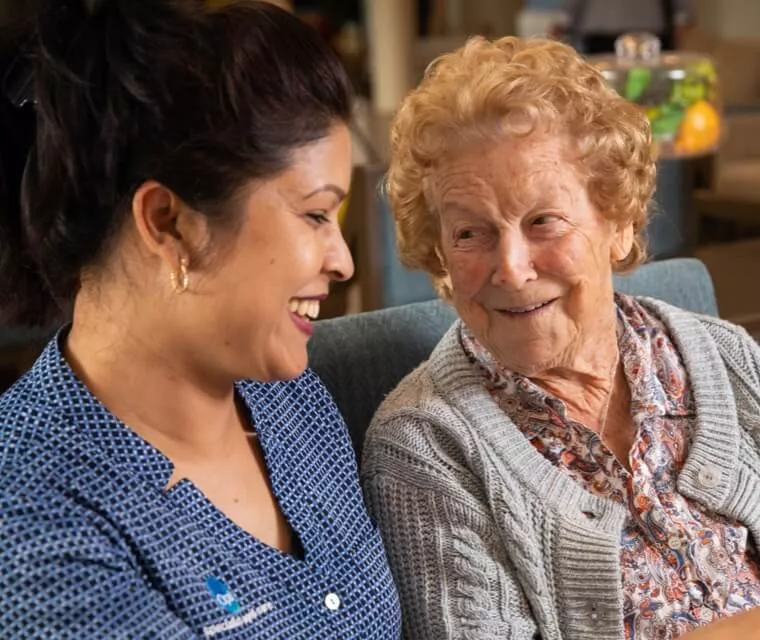
Traditional care models often focus on clinical tasks and routines. Person-centred care, as practised at Opal HealthCare, shifts the focus to the individual's personal preferences, values, and goals. Instead of a one-size-fits-all schedule, we tailor daily life, activities, and clinical support to what brings each resident comfort, joy, and a sense of self.
-
Team members receive ongoing training and mentorship in the principles and practice of person-centred care. This includes focussed dementia care training, communication skills, and understanding how to create and implement individualised care plans. This ensures our teams are equipped to build meaningful relationships and provide care that is both compassionate and respectful of each person's individuality.
-
A resident's well-being is monitored through continuous, respectful observation and regular communication with the resident and their family. Care plans are formally reviewed on a regular basis, and more frequently if a resident's needs change. Our goal is to be proactive, adjusting care and support to ensure we are always meeting the resident's physical, emotional, and social needs.
-
Thinking about the move into residential care is never easy and can bring up all sorts of emotions? It's time to start the conversation about moving into care when you have concerns that your loved one isn't coping well with day-to-day activities or if you feel safety is a concern. The earlier you start the conversation, the more time everyone will have to consider options and make informed decisions.